View
Sri Jagannath Puri
"Jagannathswami Nayanapathagami Bhavatu Me"
background animated image

A Complete Guide to Lord Jagannath's Origin, History and Lore

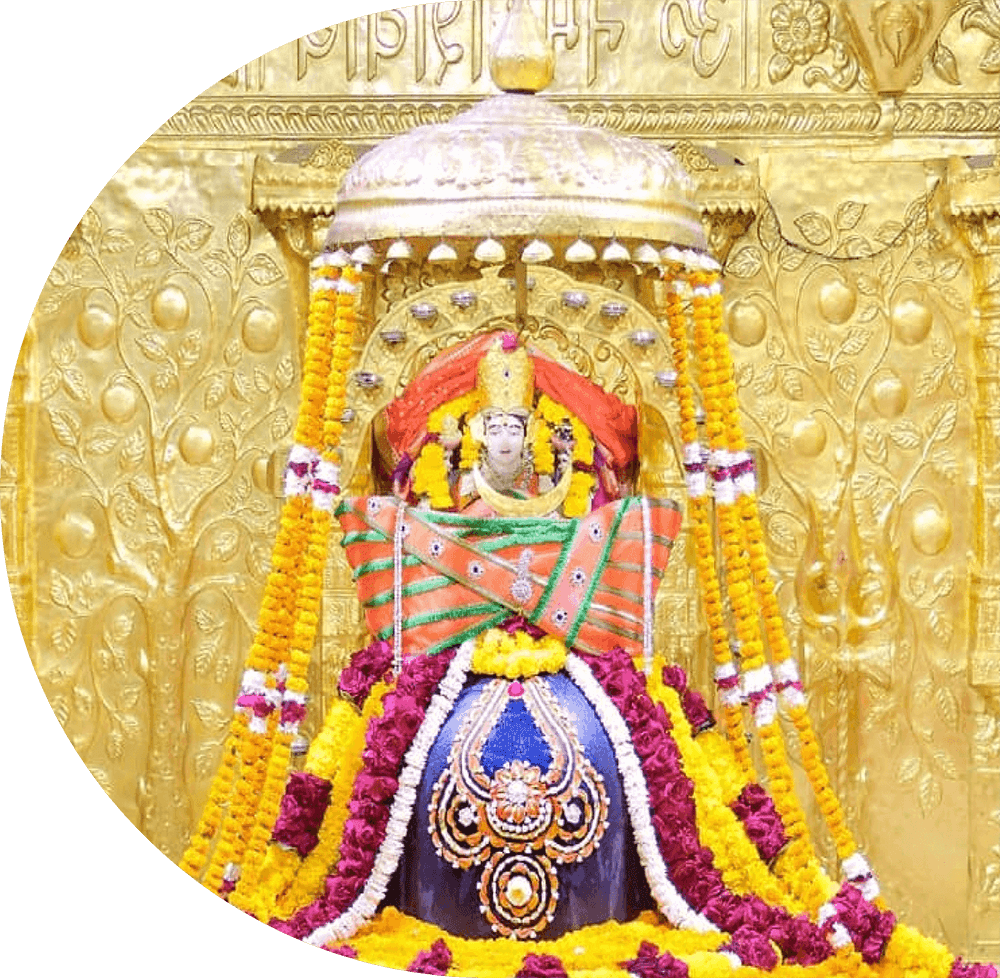
The Jagannath Temple is one of the most revered 12th century Hindu shrine in Puri,Odisha. Along with Badrinath, Dwarka, and Rameshwaram, the holy site is one of the most revered pilgrimage sites for Hindus and is an essential component of the Chardham Yatra.Jagannath Temple is one of India's oldest and most revered Vaishnava temples . The sacred sanctum sanatorium of Jagannath Temple in Puri is decorated with images of the Trinity God: Lord Jagannath, his sister Subhadra, and his older brother Balabhadra.

The term "Jagannath" is a combination of the words "Jagat" and "Nath." Nath means "Lord or Master," while Jagat means "The Universe or World." It means "Lord of the Universe" in Sanskrit. The reason Puri is called "Jagannath Dham" is that Lord Jagannath resides there. The Puri Jagannath Temple's principal deity is Lord Jagannath. In the temple, he is revered with his siblings and the potent Sudarshan Chakra (disc). "Ja" represents Jagannath, "Ga" Balabhadra, "Nna Subhadra, and "Tha" Sudarshan in Sanskrit. As a result, the name Jagannath unites the four gods of the Jagannath Temple.

background animated image

Connection of Jagannath Puri

Nilamadhab

Neela Madhava Temple

According to the well-known accounts found in the Skanda-Purana, Brahma-Purana, and other Puranas, as well as later Odia Puranas, a Savar king by the name of Viswavasu used to worship Lord Jagannath as Shri Neela Madhava. During the Satya Yuga, or age of truth, King Indradyumna ruled over the Malava nation. He was a devoted follower of Lord Vishnu. After learning about the Lord, King Indradyumna gave a Brahmin priest named Vidyapati instructions to find the god that Viswavasu was secretly worshiping in a thick forest. Vidyapati initially failed to find the location despite his best efforts. Ultimately, though, he was able to persuade Lalita, Viswavasu’s daughter, to wed him.

After the marriage, Viswavasu blindfolded his son-in-law and took him to a cave where Lord Neela Madhava was worshipped because of Vidyapati's persistent requests. Vidyapati was a clever man; to find the way, he dropped mustard seeds, which in a few days grew into plants that eventually marked the route to the cave. After receiving the good news from him, King Indradyumna immediately set out on a pilgrimage to visit the Lord in Odra Desha, which is now known as Odisha. However, he discovered the deity was gone when he got there. Despite his sadness, the king was determined not to go back until he had received a darshan from the Lord. When he made the decision to fast until death at Mount Neela, a voice from heaven exclaimed, "Thou shalt see Him."

Nilamadhab
Neelamadhaba Temple, Kantilyo, Odisha

Sri Krishna and Jagannath Temple

According to the Mahabharata, a sequence of events following the Kurukshetra War are responsible for Lord Krishna’s demise. A group of Brahmins cursed Krishna after the war because they thought he was to blame for the deaths of numerous warriors and their families. This curse predicted that Krishna would pass away violently. After the war, Dronacharya’s son Ashwatthama sought retribution and unleashed the Brahmastra, a lethal weapon that killed the Pandavas’ surviving sons. Ashwatthama was confronted by Krishna and the Pandavas in retaliation. Following this encounter, Krishna cursed Ashwatthama, which ultimately resulted in his own death.
This was an act of Karma for Krishna’s past life as Rama, according to Hindu scriptures. During that life, Rama engaged Bali’s brother Sugriva in combat and killed the Monkey King Bali from behind a tree. In a subsequent life, Krishna has promised Bali the opportunity to exact revenge. Gandhari cursed Krishna after the Kurukshetra War, saying that the Yadava clan would annihilate itself in a war of retaliation.
When this curse came to pass, the Yadavas perished and Krishna’s earthly life came to an end. The divine vision was possessed by Lord Krishna. He discovered that everyone else had left the mortal world after his brother did. He wandered in a forest, lost in thought and feeling lonely. Krishna pondered the destruction of the Kurus, Vrishnis, and Andhakas. He made the decision to master his senses because he felt that his time had come. He deliberately controlled his speech and his senses. At last, Krishna reclined, completely absorbed in profound contemplation.

A fierce hunter named Jara, who is thought to be Bali’s reincarnation, arrived at the scene and discovered a person lying down that looked like a deer. The hunter thought Krishna was a deer. After aiming an arrow at his foot, he moved closer to capture his target. The hunter realized his error upon closer examination. He saw a multi-armed, divine figure clad in yellow yoga attire. The hunter was troubled and felt bad about hurting a sacred creature. He put his head on Krishna’s feet and begged for forgiveness. The hunter was reassured by Krishna’s compassion. Following this incident, Krishna ascended to heaven, where he was greeted with great warmth.

Krishna’s heart didn’t burn, but a distraught Arjuna went ahead and attempted to cremate his friend. As usual, a voice from heaven instructed Arjuna to toss Krishna’s heart into the sea while It was fastened to a log. This log drifted all the way from Dwarka’s west coast to Puri’s east coast. The hunter who killed Krishna, Jara, was reborn as Viswavasu, a Shabara tribal man. He worshipped this enormous stone as Neelamadhava after finding a congealed blue stone—Krishna’s heart—in the forests surrounding Puri.

The History and Myth about Lord Jagannath

The Puranas state that King Indradyumna once had a dream in which Lord Vishnu instructed him to go to Balaka Mohan and find neem wood, which would be used to make the idol of Neelamadhava. On the shore, the King noticed a massive red log floating. He intended to use this wood to construct a temple for Neelamadhava. But he was unable to locate anyone qualified to create a statue. Every time someone attempted to use his tools, they would break and fail.

One day, Lord Vishwakarma appeared as a carpenter and consented to build the statue of Lord Vishnu, but only on the provison that no one would bother him for the next twenty-one days and that he would work in a room free from interruptions. But after fifteen days, no one spoke, and the King opened the room out of restlessness because he couldn’t help but be curious to see the idol. He saw an unfinished idol of Subhadra, Balaram, and Lord Krishna. While Subhadra’s hands and legs were not even constructed, Krishna and Balaram’s hands and legs were not finished. Believing it was God’s will, King Indradyumna placed these statues inside the temple.

Significance of the Four Deities in Jagannath Temple

Lord Jagannath is the ultimate god and ruler of the cosmos. Based on color, the entire world, which includes various communities, has been roughly divided into three groups: Negritos are black, Aryans are white, and Mongoloids are yellow. These three hues are displayed by the three gods of Puri’s Jagannath Temple. Lord Balabhadra is white (enlightenment), sister goddess Subhadra is yellow (goodness), and Lord Jagannath is black (inscrutability). In the entire pantheon of gods and goddesses worshipped worldwide, this particular colour combination is unique. Based on colour combination, the Holy Trinity of Jagannath Temple in Puri is a distinctive and compelling representation of the global community.

According to the empirical language of physics, black is the best colour to absorb radiation, yellow is one of the pure primary colours, and white is a good reflector. Lord Balabhadra, who is white and represents the synthesis and negation of all spectral states, is a symbol of pure being or pure indeterminate spirit. The yellow goddess Subhadra represents Prakriti or Shakti. All living things and forms originate from Prakriti, which is characterized by a yellow hue at birth but takes on different hues as they mature. Black is not a color in and of itself; rather, it is a combination of colours. It is both colourlessness and the rejection of all colours.

1. Architecture of Jagannath Temple

Jagannath Temple:– The Jagannath Temple is a stunning illustration of Kalinga architecture, with four main halls arranged in an east-west orientation. Two fortified walls enclose the entire complex.From the entrance to the inner sanctum, the main buildings, also referred to as chatus-dhama, rise in height on an elevated platform. At roughly 214 feet, Vimana (Deula or Garbhagriha) is the tallest building and the sanctum sanctorum. The deities of Lord Jagannath, his brother Balabhadra, and his sister Subhadra are housed on the ratnavedi (throne of pearls), which is a stylized version of Mount Meru and is constructed in the rekha deula (curvilinear spire) style. Mukhashala, or Jagamohana is located in front of the Vimana and serves as the front porch or assembly hall for devotees. The building has stepped, horizontal tiers in the style of a pidha deula, or pyramidal roof. Natamandapa or a dance hall used for temple rites and dances. It links the Bhogamandapa and the Jagamohana.

Bhogamandapa:– Before being given out as Mahaprasad, food offerings (bhoga) are offered to the gods in the offerings hall, which is the one that is farthest from the sanctum sanctorium. Two concentric fortified walls enclose the entire temple complex, which spans more than 400,000 square feet. Meghanada Pacheri: The entire temple complex is enclosed by the outer wall, which is about 20 feet high. Kurma Bedha: The inner wall enclosing the temple’s principal buildings.

Four gateways:– There are four gates on the outer wall, each with an animal sculpture to guard it and facing a cardinal direction.Two crouching lions guard the main ceremonial entrance, Singhadwara (East). Ashwadwara (South): The horse-themed gate. Vyaghradwara (West): The tiger-guarded gate. Hastidwara (North): The elephant-adorned gate.Mounted on the highest point of the Vimana is the Nilachakra, a sacred eight-spoked wheel composed of the eight-metal alloy Ashtadhatu. Every day, a new flag is attached to it. In front of the eastern gate is a monolithic stone pillar known as the Aruna Stambha. It came from the Sun Temple in Konark. The main entrance of the temple complex is the Baisi Pahacha, a set of 22 steps that pilgrims must ascend.

Rosha Ghara:– The temple’s kitchen can feed a huge number of people and is among the biggest in the world. Stacks of earthen pots are used to cook the food.

Minor Shrines:– Vimala, Lakshmi, and Ganesha are among the more than 120 subsidiary temples and shrines within the complex that are devoted to different deities.

The main temple of Jagannath at Puri was constructed by King Indradyumna of Avanti, according to temple records. Anantavarman Chodaganga, the first king of the Eastern Ganga dynasty, started the reconstruction of the current temple in the eleventh century on the location of the earlier temples in the compound, but not the main Jagannath temple.

Oddiyana Tantras, which are the upgraded forms of Mahayana Tantras, and Shabari Tantras, which are derived from Tantric Buddhism and tribal beliefs, respectively, serve as the foundation for many temple rites. The daitapatis, or servants, assert that they are descended from the aboriginal people, and local legends associate the idols with these tribes. The temple is one of the 108 Vaishnavite Abhimana Kshethrams.

2. Chhappan Bhog

According to a legend that connects the four pilgrimage sites, Lord Vishnu bathes at Rameshwaram, meditates at Badrinath, sleeps in Dwarka, and eats in Puri. As a result, food plays a significant role in the Jagannath Temple in Puri, and the kitchen is an essential component of the building. Six times a day, approximately 1,000 cooks make 56 different types of offerings, known as Chhappan (meaning 56 in Hindi) Bhog, to offer to the gods. According to myth, the Govardhan Parvat, which Krishna held on his little finger, provided the Gokul villagers with a haven from the rain-god’s (Indra) wrath. The villagers chose to feed young Krishna out of devotion after Indra gave in and life returned to normal. The people made fifty-six dishes for Krishna, who used to eat eight times a day, to make up for all the meals he had missed over the seven days before. As a result, the Jagannath Temple in Puri serves God 56 different foods.

The kitchen takes up an entire acre. It is thought that the Goddess Mahalakshmi herself oversees the cooking in the temple kitchens. She is Lord Vishnu’s consort and the empress of Srimandir. Every dish is prepared in accordance with guidelines outlined in Hindu religious texts. Native vegetables are used to prepare the meal; tomatoes, potatoes, chilies, onions, and garlic are not used.

Gopala Vallabha Bhoga is offered as breakfast every day; Sakal Dhupa is served at around 10 a.m.; Bhog Mandapa Bhog is served in the Bhog Mandap; Madhyanha Dhupa is served for lunch; and Sandhya Dhupa is served at approximately 8 p.m. Around eleven p.m., Bada Simhara Bhog is served.

Inside the kitchen, 500 cooks prepare the food in several chambers that house chulha, or mud-and-brick ovens, which are lit with wood and charcoal. Earthen pots are used for cooking, and they are stacked seven high on top of one another. Curiously, heat is uniformly distributed to the top of the stack, allowing food to be prepared at the same time. This is the epitome of slow cooking—no stirring or gravy mixing.

3. The Mahaprasad

There is a dance-like routine involved in offering the food to the deities. A long bamboo pole with two rope baskets at either end is carried by the muscular, bare-chested cooks. After the food is cooked, they balance the bamboo pole on their shoulder while placing two or three pots inside the basket. They make their way to the sanctum sanctorium from the kitchen. The men behave relentlessly and in perfect unison, much like components of an assembly line. Bimala Devi receives the food after it has been offered to Jagannath. After that, the food is sold in an open market as Mahaprasad, or a divine offering. Devotees wait in line to purchase in portions at Ananda Bazar, which is situated inside the Temple complex northeast of the Singhadwara.
Devotees are expected to sit on the ground while consuming Mahaprasad, which is traditionally served on banana leaves. In the Ananda-Bazar region, pilgrims might have the Prasad. At the request of pilgrims, a small number of priests otherwise offer the service of delivering Mahaprasad packets to hotels. The food is fairly standard and includes a range of rice dishes like khichdi, ghee-rice, and kanika (sweet rice), various vegetable curries like mahura and dahlma, dahl made with various local lentils, and several sweet dishes like kheer and malpua. The largest vegetarian, satvic kitchen in the world is located in Puri’s Jagannath temple, which amazingly serves a large number of pilgrims every day of the year.

4. Dhwaja Parivartan

In a magnificent ceremony, the Patitapaban Bana, the sacred flag atop Jagannath Puri Temple, is changed every day at sunset. This potent custom represents the presence of God, and it is thought that skipping even one day has serious spiritual repercussions.
In a mystery that never ceases to astound, this flag always flutters in the opposite direction of the wind. It is thought to symbolize the protection and presence of God.
Every day at sunset, the Jagannath Temple in Puri performs the Dhwaja Parivartan, or flag changing ceremony. It starts at 6 PM in the summer and around 5 PM in the winter. In this revered custom, two specially trained temple servants valiantly ascend the 214-foot spire to raise a new flag in place of the Dhwaja, also known as the Patitapaban Bana.
It represents Lord Jagannath’s watchful eye over all creatures, particularly those who feel lost or fallen. Patitapaban’s name itself translates to “savior of the fallen,” serving as a reminder of the Lord’s unfailing grace. The replacement of this fluttering banner, which is thought to carry divine energy, is considered a daily act of devotion that guarantees the Lord’s blessings will continue to flow over the temple and everyone who visits in search of peace. It is thought that changing it every day keeps the temple’s spiritual energy vibrant and new. The ceremony serves as a reminder to followers that although the Lord never dies, human sacrifices need to be renewed with earnestness and fervour.
It is believed that if the flag atop the temple is not changed even for a single day, the temple would have to remain closed for 18 years. For devotees, the flag change is not just a tradition but a sacred duty symbolising Lord’s presence and protection. It’s a profound conviction that the daily offering keeps the temple’s energy alive and missing it would disturb the divine order that has been followed for centuries with unwavering devotion.

1. The Magnificient Eyes of Lord Jagannath

The Sun and Moon are represented by two large, lidless, circular shapes that are prominent and round on Lord Jagannath’s face. Devotees worldwide view Lord Jagannath’s enormous eyes as a representation of his omniscience and omnipresence. The large eyes of Lord Jagannath are a representation of his divine vision and wisdom, and the eyes are considered windows to the soul in many ancient texts, scriptures, and beliefs. They represent the Lord’s unwavering protection to His followers, providing security, direction, and consolation to those who seek His blessings.
The size of Lord Jagannath’s eyes serves to illustrate both the breadth of his knowledge and the fact that He is watching over everyone. Odisha’s cultural legacy includes the centuries-old custom of portraying Lord Jagannath with enormous eyes. The idol of Lord Jagannath is thought to have been created with exaggerated features, such as his large round eyes, by the famous sculptors and artisans of the Jagannath Temple in Puri in order to inspire awe and reverence in the followers. Many people travel from all over the world to see Lord Jagannath’s admirable gaze, and His lovely, round eyes are a focal point for devotion and meditation.
Many people interpret Lord Jagannath’s large eyes as symbolic portals. For devotees, Lord Jagannath’s eyes serve as a conduit to the higher powers that are invisible or imperceptible in everyday life. Seeing into Lord Jagannath’s eyes is akin to gaining spiritual enlightenment and a sense of connection. Additionally, it is said that devotees experience intense, pure emotions when they gaze into Lord Jagannath’s eyes. When believers see Him and feel Him looking back at them, they cry. Devotees are encouraged to reflect on themselves by Lord Jagannath’s large, wide eyes.
Devotees are prompted to reflect on their deeds, actions, mental states, ups and downs, and things for which they are thankful when they look into His eyes. It seems like He is peering into a devotee’s innermost thoughts with his gentle, endearing gaze, his emotions, his remorse, his joy, everything. Devotees are reminded to purify their hearts and minds and live with humility, love, and compassion when they gaze upon Lord Jagannath.
According to a well-known legend concerning Lord Jagannath’s large eyes, Mata Rohini once gathered everyone and told them about Shri Krishna’s leelas in Dwarka. His sister, Subhadra, was among the crowd as well and was instructed to leave. Subhadra, however, chose to remain at the gate of the room and listened carefully to the conversation taking place within. When they saw her, Balaram and Krishna also approached and stood beside her. They simply stood there as their eyes widened upon learning of Shri Krishna’s leela. When Narada saw this, How can devotees see the trio in this state, he questioned the divine.
Lord Krishna, Balaram, and Subhadra were then idolized in this form in response to this request so that the followers could love, pray, and be inspired.
The Urdhva Pundra Is the U-shaped mark on Jagannath’s forehead. The marks stand for devotion to the deity and symbolize Vishnu’s lotus feet. The specific style can differ based on the specific Vaishnava lineage or sampradaya, even though the general shape is a “U.”

2. Handless Form of Lord Jagannath

For devotees, Lord Jagannath’s missing hands have profound symbolic meaning that goes beyond a mere captivating legend. Scholars and believers have provided the following interpretations. According to one interpretation, the form of Lord Jagannath’s hands represents the all-pervading nature of the divine. He can bless and embrace his followers without using his hands. He loves everyone, regardless of their appearance or behavior. His name is Nirakar. His form teaches us that the divine form is whole because of our devotion and love, not because it is physically complete. According to a different interpretation, the missing hands represent the divine entity that transcends the bounds of physical activity.

He is the source of all creations, yet remains unattached to the act of creation itself. Some interpret the handless shape as an exhortation to followers to develop inner fortitude and depend on their own deeds. Instead of physically interfering, Lord Jagannath provides guidance via inspiration and wisdom. According to an intriguing interpretation, the incomplete idol symbolizes the divine’s dynamic nature. Lord Jagannath’s handless form has numerous interpretations, these being just a handful. The openness to introspection is what makes it beautiful. Devotees are prompted to investigate the nature of genuine devotion and their own relationship to the divine by the potent symbol of the missing hands.

Beshas
of Lord
Jagannath

The Jagannath Temple’s deities exhibit a strong bond with humanity by changing their attire or costumes over time. Beshas is the local term for the costumes or dresses. With the first daily Mangal Aarati ritual, it begins to change. Tulasi leaves, sandalwood paste, camphor, and occasionally musk are used in the Lords’ daily puja, and the deities are embellished with various gold ornaments studded with priceless gems on Ratnavedi.
In addition to changing the dresses every day, the gods use specific Beshas for special occasions that fall in different seasons of the year, all total 32 beshas.

1-Tadapa Uttari Besha or Abakasha Besha

It is the clothing that the gods wear when they perform their morning rites, which include bathing in Panchamrita (a concoction of five sacred ingredients), brushing their teeth, and washing their tongues. “Tadapa and Uttariya” are the names of the garments that the gods wear for this purpose. “Abakasha” refers to bathing the gods and brushing one’s teeth. Pushpalak, Suarbaru, Paniapath, Mukhapalhalsevak, Khuntia, Darpania, Pratihari, Amla, Ghatuari, Bhandar mekap, Mahabhoi, and Khurinayak are among the servants or servitors who carry out these rites. This Besha, which marks the change from night to day and from silence to sanctity, teaches us the value of beginning each day with a clean body, clear mind, and sacred intent.

2-Sadha Besha

Five times a day, following each meal offering, the deities at Jagannath Temple dress in vibrant silk garments or Baralagi Pata and flower garlands as part of their daily ritual. Each day, the colors of the clothing change to symbolize the planets: Sunday is red, Monday is whitish with black spots, Tuesday is Pancharangi, or cloth with five colors, Wednesday is sky blue, Thursday is yellow, Friday is white, and Saturday is violet. In addition to reflecting the Lord’s association with the celestial bodies, this practice infuses the temple atmosphere with vitality. The various hues are also thought to symbolize different aspects and moods of the Gods. The close bond between the gods and their servants is emphasized by these daily rites, which are carried out with great care and devotion. They give the divine a human face, enabling followers to establish a personal relationship with the Lord. The Abakasha and Sadha Beshas are manifestations of love, respect, and the close relationship between the Lord and His followers; they are more than just ceremonial rites.

3-Bada Sringar Besha

Lord Jagannath, Balbhadra, and Subhadra are dressed in the beautiful Bada Sringar Besha, a divine garment that signifies their bedtime, each night as the Jagannath Temple gets ready for its last ceremonies. The beauty and devotion of this nightly adornment captivate everyone who sees it. The famous Gita Govinda, a lyrical poem honoring divine love, is woven into the silken Khandua garments worn by the deities. They have ‘Karapallava’ ornaments on their hands and ‘Srikapada’ cloth covering their heads. The circular floral decoration known as “Padaka” enhances the beauty of the scene. This intricate Besha has profound spiritual meaning and is more than just an aesthetic display. A calm environment that promotes rest and renewal is produced by the coolness of sandalwood paste applied to the deities’ bodies and the calming passages from the Gita Govinda woven into their clothing. This Besha serves as a reminder of the Lord’s humanity. Similar to how people require relaxation and renewal, the gods also take a night’s sleep while wearing exquisite clothing and surrounded by calming surroundings. Adhara, Jhumpa, Chandrika, and Tilaka are among the floral ornaments used in the Besha that enhance the aesthetic appeal and represent the Lord’s relationship with nature. The garlands, which are frequently combined with fragrant flowers and Tulsi, stand for devotion and purity. It is very lucky to see the gods in their Bada Sringar Besha. It is thought to bestow upon its followers spiritual blessings, prosperity, and peace. The Besha stays until Mangala Arati the next morning, the day’s first ritual. This demonstrates the rich customs and creative legacy of Puri’s Jagannath Temple. This nightly practice symbolizes beauty, devotion, and the Lord’s availability to His followers even when He is sleeping.

4-Chandan Besha

In the Jagannath Temple in Puri, Chandan Besha is a ritual that involves applying sandalwood paste to the gods to keep them cool during the summer months. It starts on the third day of the bright fortnight in the month of Baisakha, which is around April or May, and ends on Snana Purnima. Rituals and offerings are used to carry out the activities at various times throughout the day. The gods experience the same intense heat as people do in the summer, so they take a pleasure trip to Narendra Puskarini, a magnificent pond, to escape the scorching heat.
Three wooden objects that are stored in front of the palace receive their Agya Mala from three pujapandas. As the construction of the chariot begins, carpenters touch their tools and the wooden components. The Goudiya Vaishnava Sangha is in charge of the deities’ subsequent visit to Narendra Sarovar for the Naam Sankirtan seva. The sound of Naam Sankirtan, stuti, staba, bhajans, and Horibol vibrates as the deities go to the biman. The boats are called Sunanda and Bairoteka. The gods arrive and initially settle in the boats. Madanmohan, Laxmi, and Saraswati sit in the first boat, while Krishna, Balaram, and Pancha Pandava sit in the second. Chamar, tambula, pushpamalya, and other sevas are offered to the gods during the Nauka Vihar. The name of this ritual is ” Day Chapa “. The gods then exit the boat and perform Jalakrida in the sandal tubs. General Besha is prepared after exiting the sandal tub, and sheetal bhoga is served with various fruits. The gods are then embellished with decorations. During the Outer Chandan Yatra, there are 21 distinct Beshas over 21 days. Mandua Bhoga, a sweet dish made with paneer, sugar, and wheet, is prepared after Besha. On the other hand, they like the Nauka Vihar. We call this “Night Chapa”. The Gods then travel by bimana to Sri Mandir.

5-Hathi Besha

In a revered ceremony known as Hathi Besha, or “Elephant Attire,” Lord Jagannath, his divine siblings Lord Balabhadra and Goddess Subhadra transform into powerful elephants. According to the fascinating legend, Ganapati Bhatta, a devoted devotee of Lord Ganesha, made a pilgrimage to the holy city of Puri. Anticipating his arrival during the Snaan Yatra festival, he arrived at the temple full of revelers and proceeded to take part in the Lord’s ceremonial bathing ritual. But Ganapati Bhatta’s heart fell when he saw Lord Jagannath. The elephant head he identified with his Lord Ganesha was absent from the deity in front of him.
His spirits were dampened by disappointment, and he departed the building. Ganapati Bhatta was unaware that Lord Jagannath, the highest soul that resides in every being’s heart, was aware of his devotee’s discontent. He pretended to be a learned Brahmana and went in search of Ganapati Bhatta, who was leaving Puri. Disguised as the Brahmana, the Lord spoke to Ganapati Bhatta, his soft words were enticing. Despite his initial resistance, Ganapati Bhatta was mesmerized by the calming words of the Lord in disguise. The Lord allayed his fears and persuaded him to change his mind. Ganapati Bhatta finally consented to return to the temple in the evening. Ganapati Bhatta had no idea that the Lord had planned a magnificent surprise that would take place inside the temple’s sacred grounds. Driven by the promise given to him by the mysterious Brahmana, he set out to the temple with a fresh sense of expectation. When Ganapati Bhatta saw Lord Jagannath dressed in the Hathi Besha, looking just like his beloved Lord Ganesha, his happiness was unbounded. In order to appease his devotee, Lord Jagannath took on this form, and his divine face was adorned with a radiant smile. Ganapati Bhatta was overwhelmed and bowed to the merciful Lord several times. His heart was overflowing with unfathomable happiness and appreciation. They formed an enduring devotional bond when they were united in that holy moment. On the day of the full moon in the month of Jyeshtha (May–June), Hathi Besha takes place. The deities are dressed in ornate elephant-like costumes, complete with cloth trunks and ears, after the Snaan Yatra, in which they are bathed in 108 pots of water. The Hathi Besha is worn by Lord Jagannath and Lord Balabhadra. Devi Subhadra is dressed differently, for example, in the Lotus Attire or Padma Besha.

6-Suna Besha

Suna Besha, another name for the Golden Besha, is a yearly rite. Gold jewelry and clothing are worn by Jagannath, Balabhadra, and Subhadra during this ceremony. The ceremony is performed five times a year, on the full moon days of Poush (December), Magha (January), Ashadha (July), Kartik (November), and Dolapurnima (March), the ceremony is performed. A few days before the Golden Besha, the preparations start. The gods are bathed and clothed in fresh attire. The gold jewelry that will be worn during the ceremony is then put together by a group of jewelers. The jewelry is frequently entrusted with valuable gems and is crafted from solid gold. The gods are removed from the temple and set on a designated platform on the day of the Golden Besha. They are then adorned with gold jewelry by the jewelers. As each piece of jewelry needs to be placed precisely, the process can take several hours. Following their complete adornment, the deities are presented with rituals and prayers. After that, they are brought back to the temple and put back in their designated shrines. Devotees gather to commemorate Lord Jagannath’s glory during the Golden Besha. It also serves as a reminder of god’s heavenly beauty and power. Devotees donate the gold jewelry used in the ceremony. Although the total weight of the gold jewelry can vary, it usually falls between 100 and 200 kilograms. A crown covered in diamonds, rubies, and emeralds is the most priceless piece of jewelry worn during the ceremony. On these occasions, Jagannath and Balabhadra’s hands and feet are adorned with gold plates; Jagannath’s right hand is also adorned with a gold chakra, while his left hand is adorned with a silver conch. On the other hand, Balabhadra is adorned with a golden mace in his right hand and a gold plough in his left.

Temple history states that Sunabesha was first used in 1460 AD, during the reign of King Kapilendradeva. After defeating the Deccan’s rulers in battle, he returned home with a massive bounty that was transported in 16 cart loads or on 16 elephants. Gold and diamonds make up the trophies he gathered. The well-known Tadhau Karana, a servant of the Jagannath Temple in Puri, advised Kapilendradeva to give Lord Jagannath the entire looted bounty. This besha was also known as Bara Tadhau Besha,named after the Karana community’s Tadhau Karana servant of Jagannath Temple. On the occasion of the Ratha Yatra, he gave the temple priests instructions to have ornaments made from the gold and diamonds he had donated to adorn the Gods.

7-Bana Bhoji Besha

On Bhadraba Krushna Dasami, which is the tenth day of the dark fortnight in Bhadraba, Bana Bhoji Besha is performed. The gods appear to be heading to a picnic because they are dressed like cowherd boys. Every balya lila (activity) at the Jagannatha temple is performed as a ritual following the birth of Shri Krushna on Janmastami. One of Mahaprabhu Shri Jagannath’s unique outfits, Bana Bhoji Besha, exemplifies Shri Krishna’s playful side.
When Shri Krishna and his elder brother Balaram go on a picnic with their friends, they bring pots of butter cream (lahuni). Bana Bhoji Besha of Mahaprabhu uses the exact same visualization. This Besha occurs at a specific time, as documented in a book called The Record or Rights, just like all the other rituals at the Shri Mandir. It begins after Sandhya Arati and lasts until Sandhya Dhupa is finished. In Bana Bhoji Besha, Pushpaalak Sevaks dress the gods in various gold ornaments following the conclusion of the Kolibikaa ceremony. The picnic of Balarama and Shri Krishna with cows in the woods is essentially the theme of this outfit. The Chula (headdress) of Balabhadra and Jagannatha is adorned with flower petals (Kiya) composed of Sola, cane, and cloth. They each have a silver bowl filled with curd in their right hand and a stick in their left. The deities don a unique khuaa Pedaa garland (pedaa is a sweet) as part of this outfit. The Pattajoshi Mohapatra sevak supplies the candies used to create these garlands. The Mahabhoi (Gauda) sevaks supply the curd that is contained in the silver bowls that the deities hold. Subhadra is dressed precisely as she is during Suna Besha in this outfit. Additionally, a wooden cow and calf are set up in front of the gods. Pushpalaks, Bhandara Mekaapa, Paaliaa Mekaapa, Khuntias, and others work together to dress the deities in this clothing. Gold Kirita, Sribhuja, Sripayara, Gold Karna Kundala, Gold Kiya, Sebati Garland, Harida Kadamba Garland, Baghanakhi Mali, Tabija Garland, Srimukha Padma, Baahaada Mali, Alakaa, Tilaka, Chandrika, Odiaani, Ghaagadaa Garland, Antaa Pati, Jhoba, Tadagi, Chandrasurjya, and Aadakani are among the golden embellishments used in this outfit.

8-Kaliadalana Besha

In the yearly Kaliadalana Besha ritual, Jagannath, Balabhadra, and Subhadra dress up to act out the tale of Lord Krishna defeating the multi-headed serpent Kalia. In the month of Bhadra, which usually occurs in August or September, the festival is celebrated at the Sri Jagannath Temple in Puri on Krishna Ekadashi, which is the eleventh day of the dark fortnight. The poisonous serpent Kalia, who resided in the Kalandi lake, is said to have poisoned the water, according to the legend this Besha honours. When Krishna jumped into the river one day while playing, the serpent attacked him. Following a fierce battle, Krishna subdued the serpent by dancing on Kalia’s many heads. When the serpent and his wives pleaded for forgiveness, he spared Kalia’s life. In order to purify the Yamuna for all living things, Krishna gave Kalia the order to leave it and live somewhere else. A huge snake effigy, sometimes up to thirty feet long, is made for Kaliadalana Besha. This serpent’s head is positioned at Lord Jagannath’s feet, and the Ratna Singhasan is covered by the remainder of its body. While his brother Balabhadra also receives a unique costume, Lord Jagannath is dressed as Lord Krishna. The event combines mythological storytelling with the temple’s rich tradition to symbolize the deity’s benevolent nature and mighty prowess. Until Sandhya Dhupa, or evening worship, is over, the ornate ritual and decoration continue.

9-Pralambasura Badha Besha

At the Jagannath Temple in Puri, Lord Balabhadra, not Lord Jagannath, dons the Pralambasura Badha Besha, a unique garment. The mythological tale of Lord Balarama (Balabhadra) defeating the demon Pralambasura is re – enacted in this costume. Every year on the 12th day of the dark fortnight in the Hindu month of Bhadra, known as Bhadra Krushna Dwadasi, the ceremony is performed. Following the midday bhoga (meal), the deities are dressed in this besha. The demon Pralambasura pretended to be a cowherd boy during the Dwapara Yuga in order to kidnap and harm Lord Krishna and Balarama. When Balarama realized who the demon was, he struck him hard in the head, instantly killing him. This strong triumph is portrayed in the costume. To depict the Lord sitting on Lord Balabhadra’s shoulders, a wooden idol of Pralambasura, the demon, is positioned beneath him. In order to represent his divine strength, Lord Balabhadra is depicted holding his traditional weapons in both hands: the mace (musala) and the plough (hala). For Lord Balabhadra, this is a solo besha. Devi Subhadra and Lord Jagannath continue to exist in their regular, or general forms on this day. The costume is worn until the evening bhoga is offered, following the conclusion of the besha ceremony in the afternoon.

10-Krishna Balaram Besha

The deities wear a unique form of divine clothing known as the Krishna Balaram Besha. Lord Balabhadra is dressed as his older brother Balaram, and Lord Jagannath is dressed as Krishna during this ceremony. Every year, during the Hindu lunar month of Bhadra (August–September), on the thirteenth day of the dark fortnight (Krishna Pakshya), the Krishna Balaram Besha is celebrated. It is carried out following the Madhyanha (afternoon) rites. The ornaments and costumes of the gods have symbolic meaning. For example, Lord Jagannath is dressed as Lord Krishna, holding a lotus blossom and a golden flute (bansi). To symbolize his function as a cowherd, he is given two extra hands, each of which holds a rope and an ankush.
With a club (musala) and a plow (hala), Lord Balabhadra is depicted as Lord Balaram. Extra hands are also given to him. With four arms (chaturbhuja) and a variety of weapons in her hands, goddess Subhadra is depicted in the lotus posture, or Padmasana. Artists use materials like cotton, flowers, cane, and sola (pith) to create the intricate besha. According to the Bhagavata Purana, the clothing evokes the happy cowherding activities in Vrindavan and the divine brotherhood of Krishna and Balaram. The victory of Lord Balaram over the demon Pralambasura is commemorated as part of the ceremony. Special food preparations (bhoga) like amalu and kheeri (rice pudding) are served to the deities. According to devotees, seeing the gods dressed in this particular way bestows great merit and spiritual benefits.

11-Bali Bamana Besha

Bali Bamana Besha is Lord Jagannath’s ceremonial dress-up. During this ceremony, Lord Jagannath is dressed as Vamana, the dwarf Brahmin avatar who defeated the demon king Bali. The fifth incarnation of Lord Vishnu (Jagannath), who manifested as the diminutive Brahmin Vamana, is commemorated by the besha.The story of Vamana’s request for three paces of land from the virtuous but haughty King Bali is reenacted in the ritual. Vamana became cosmic in size and covered the earth and sky in two steps after Bali granted the wish. Vamana sent Bali to the netherworld (patala) for the third step after he offered his own head.
The triumph of righteousness and the Lord’s divine power are symbolized by the besha. The 12th bright day (Dwadasi) or 13th bright day (Trayodashi) of the lunar month of Bhadraba (August–September) is when the Bali Bamana Besha is celebrated. Following the midday rites (Madhyanna Dhupa), the deity is adorned in this garment, which she wears until the evening rites (Bada Shringar Besa). Lord Jagannath wears black robes that resemble a shikha (tuft of hair) on his head, giving him the appearance of a Brahmin boy.
He Is holding an umbrella in his left hand and a silver Kamandalu (water pot) in his right. The use of certain draping and floral decorations results in golden ornaments and a shorter, dwarf-like appearance.Goddess Subhadra wears a more basic besha, Lord Balabhadra frequently appears in regal garb, and Lord Jagannath is dressed as Vamana.In this particular besha, it is the duty of the Puspalaka servants to decorate the Lord. Sunia Parva, which commemorates the Gajapati King of Puri’s new year, is one of several festivals that take place during the month of Bhadraba, including the Bali Bamana Besha.

12-Radha Damodar Besha

Every year, from the eleventh day of the bright fortnight of Aswina to the tenth day of the bright fortnight of Kartika, the deities at Shree Jagannath Temple celebrate the auspicious Radha-Damodar Besha. According to legend, Akrura saw the Radha-Damodar Besha while bathing in the Yamuna River on his way to Mathura. The entire month of Kartika is dedicated to celebrate this alluring Besha.
In his book “Sri Jagannath Besha Rahasya,” the late Sadasiba Rathasharma, a renowned Shreemandir research scholar, mentions that this Besha was first used in the 12th century. After being portrayed as a female protagonist in Jayadev’s Gitagovinda, Radha became extremely popular throughout Bharat during this time. Through the writings of renowned poets like Vidyapati of Mithila, Chandi Das of Bengal, and Jayadeva of Odisha, the image of Radha was extensively shared. Bishnuswami, Nimbarka, and Sri Chaitanya devotees revered her as “Devi.” According to some, this Besha has been at Shreemandir since the 16th century, when Sri Chaitanya first arrived in Puri. According to Sri Chaitanya, Shree Jagannath is a combination of Shree Radha and Shree Krishna. The Radha-Damodar Besha is a manifestation of this essence. Lord Shree Jagannath and Lord Shree Balabhadra wear “Trikachha” and hold a pair of golden “Nalibhuja” in their hands during the Radha-Damodar Besha. On the “Trimundi,” a bamboo and cloth “Chula” is set up, and the Chandrika inside the Chula looks exquisite. Various golden ornaments, such as earrings, an Odiani at the waist, and head adornments like Tadaki, Chandra, Surya, and Chita, are used to adorn the deities.
Along with wearing various garments like “Pata,” “Phuta,” “Srikapada,” “Paharana,” “Adharabala,” and “Uttaria,” they also adorn themselves with flowers. With the deities on the Ratnasinhasana wearing a variety of “Pata” (silken garments) and golden decorations, this auspicious Radha-Damodar Besha looks absolutely magnificent. Previously, only “Ballav” and “Sakala Dhupa” were offered during this Besha; however, later on, “Baladhupa,” an additional Bhoga, was added. To witness this blissful Radha-Damodar Besha of the deities, thousands of pilgrims and devotees observe the Kartika Vrata at Shreemandir.

13-Thiakia Besha

The deities at the Jagannath Temple in Puri, wear unique divine clothing known as Thiakia Besha. In this ritual, also called Lakshmi-Narayana Besha, the gods are clad as Lord Vishnu and his consort, Goddess Lakshmi. The Odia words Thia (meaning “standing”) and Kia (referring to the kewda, or screw pine, flower), which are symbolized by the golden headdress of the gods, are the origin of the name Thiakia. During the Panchuka period, on the eleventh day (Ekadasi) of the bright fortnight of the holy month of Kartika (October–November), this elaborate ritual is performed. With a golden discus (chakra) in his right hand and a silver conch (shankha) in his left, Lord Jagannath (as Vishnu) is decked up in lavish golden decorations. Lord Balabhadra wears a bow and arrow and is carrying a club (mushala) and a golden plough (hala). Goddess Subhadra, also known as Lakshmi, is seated with her hands and feet on display while wearing a queen’s regalia. Along with additional decorations and garlands, all three deities are adorned with exquisite golden crowns adorned with imitation kewda petals
Prominent Vaishnava saints who traveled to Puri are thought to have influenced the tradition of Thiakia Besha. According to some accounts, Nimbakacharya introduced this besha in the 12th century.Following the Vaishnava saint Ramanujacharya’s visit, the Lakshmi-Narayana worship in the Jagannath tradition is said to have become more popular. During Panchuka, the final five days of the Kartika month, which concludes on Kartika Purnima, Thiakia Besha is one of several daily Beshas that take place.

14-Bankachula Besha

At the Jagannath Temple in Puri, Lord Jagannath, Lord Balabhadra, and Devi Subhadra are dressed in ornate religious garb known as Bankachula Besha. Wearing this unusual garment during the Hindu month of Kartika (October–November) has a special meaning as it honours a particular event in Lord Krishna’s life. On Kartika Sukla Dwadasi, the 12th day of the bright fortnight of the month of Kartika, the Bankachula Besha is performed.This besha is thought to honour the memory of Akrura’s journey from Mathura to the village of Gopa, where Lord Krishna made a divine appearance to him. This reenactment honours that holy event. The distinctive golden headdress and distinctive hairstyle set the Bankachula Besha apart from the Lakshmi-Narayana Besha, which is performed the day before. The magnificent golden headdress that is added to the deities’ costumes and represents divine radiance and opulence is the source of the names “Bankachula” and “Bankachuda.” Lord Jagannath and Lord Balabhadra are adorned with a particular hairstyle that consists of a braid on top of their heads and a “chandanika-chula” (crescent-shaped ornament) on the left side.The gods’ foreheads are also adorned with a unique golden forehead adornment called “kia.”
The deities adorn their regal appearance with a variety of additional golden ornaments. According to some servitors, the Lord looks a little bit like a dwarf because the gods In the Bankachula Besha are dressed like cowherd boys. It is a very popular besha among devotees because of the elaborate decorations and gold ornaments that enhance the visual splendour.

15-Adakia Besha

At the Shree Jagannath Temple in Puri, Lord Jagannath and his siblings are honored annually with the Adakia Besha, also called the Tribikrama Besha. It is performed on Shukla Trayodashi, the thirteenth day of the bright fortnight in the holy month of Kartika.The Besha honours Lord Vishnu’s Trivikrama persona, in which he vanquished the demon king Bali by taking on the form of a dwarf (Vamana). But the Lord is portrayed in the Besha as heroic, indicating his absolute power over the three realms.

A conical headdress known as a chula, which is composed of natural materials like cloth, cane, and sola, is worn by both Lord Jagannath and Lord Balabhadra. A golden chandrika (disc) is set atop the chula, and a golden kia (decorated object) is fastened to the forehead. Various golden ornaments, such as Shribhuja (golden arms), Golden feet or Sripayara,Kundala (earrings made of gold) are worn by the deities.Chandra Surya (the sun and moon) are symbolized by golden decorations).

Richly embroidered silk and patta garments are worn by the deities.The gods in this Besha carry particular weapons and symbols. Lord Jagannath holds a discus (chakra) and a conch (shankha). Lord Balabhadra holds a mace (musala) and a plough (hala). The goddess Subhadra is adorned with a unique set of golden decorations. Devotees of the Atibadi tradition, a Vaishnava sect established by Atibadi Jagannatha Das, especially adore the Adakia Besha.

16-Dalikia Besha

Known by another name, the Lakshmi-Nrusingha Besha, Dalikia Besha is an adornment of Lord Jagannath that is observed in the month of Kartika. The Besha is held on Baikuntha Chaturdashi, the fourteenth day of the bright fortnight of Kartika. The fourth and final day of Panchuka, the last five days of Kartika, is when Lord Jagannath is dressed as Lord Vishnu’s half-lion, half-man incarnation, Nrusingha.The deities are decorated with a variety of golden ornaments and a large crown adorned with beads.Floral designs made of solapith (Indian cork) are also used in the decorations.

The adornment begins after the bathing (Abakasha) rituals are completed in the morning. The servitors bring the gold ornaments from the temple’s treasury, and the deities wear this Besha until the morning bhog (offering). The Nrusingha incarnation is famously associated with saving his devotee Prahlada from the demon Hiranyakashipu. In this Besha, Lord Jagannath embodies this ferocious yet protective form. It is believed that witnessing the deities in the Lakshmi-Nrusingha Besha can help a devotee achieve a place in Baikuntha (the spiritual abode).

17-Nagarjuna Besha

At the Puri Jagannath Temple, Lord Jagannath and his siblings are dressed as warriors during the uncommon Nagarjuna Besha ritual. Only during the six days of panchuka, or the final five days of the Hindu month of Kartika, does this rare and unusual occurrence take place. The most recent Nagarjuna Besha was held on November 27, 2020 after 26 years.Various interpretations of epic events are commemorated by the Besha (attire): The Besha is most commonly believed to honor Lord Parashurama, Lord Vishnu’s sixth avatar. His victory over the despotic ruler Kartavirya Arjuna (Sahasrarjuna) is commemorated.
According to a different interpretation, the Besha honours a conflict between Arjuna, the Pandava prince, and his son Nagarjuna, which is recounted in the Odia epic Sarala Mahabharata. This ceremony also honors Lord Jagannath in his protective, martial aspect and is called “Bira Besha” (warrior attire). The gods are adorned with ornate armour and weapons during the Nagarjuna Besha. Bows, arrows (tunira), a mace (musala), a plough (hala), a sword (khanda), and a wheel (chakra) are among the weapons used by the lords. Tiger nail (bagha nakha)-like decorations are used to adorn Lord Jagannath and Lord Balabhadra.
The handia, a unique conical helmet made of wooden twigs and solapith, is worn by the gods. Additionally, they are embellished with necklaces (nakuasi), forehead decorations (sri payara), and unique earrings (karna kundala). This ritual’s most recent performance was especially exceptional and historic.The event was held on November 27, 2020, 26 years after the last observance, which was in 1994.

18-Ghodalagi Besha

At the Shri Jagannath Temple in Puri,Lord Jagannath, Lord Balabhadra, and Devi Subhadra participate in this winter clothing ritual. The deities are dressed in warm velvet and woolen garments for this ceremonial dressing, which marks the beginning of the cold season and is a gentle show of devotion. During the winter, the Ghodalagi Besha ritual is performed every day for several months The time frame starts on Odhan Sasthi, which is the sixth day of the bright fortnight in the Hindu month of Margasira, and lasts until Basanta Panchami, which is the fifth day of the bright fortnight in the month of Magha. At this time, the gods dress normally during the day but change into their winter garb after the evening bhog (food offering). The deities are dressed in warm velvet and woolen garments for this ceremonial dressing, which marks the beginning of the cold season and is a gentle daily colour change. According to a set schedule, the Ghodalagi Besha’s colour changes every day of the week- Sunday red; Monday grey; Tuesday barapatia, which is a five-color blend; Wednesday blue ;Thursday yellow ; Friday white; Saturday black.
Traditional customs are followed throughout the entire ceremony. Prior to being carried to the main sanctum for the deities on the day of Odhan Sasthi, the Ghodas (bedsheets) are carried in a procession around the temple, a custom known as Ghodabedha. Temple sevakas, or servants, cover the gods with warm headdresses and velvet blankets. By treating the gods as living, breathing beings who are aware of the changing seasons, the practice symbolizes the gentle care and devotion given to them. Additionally, it reminds followers of the god’s kind and charming nature.

19-Jamalagi Besha

In the Puri temple, Lord Jagannath and his siblings wear the ceremonial garment known as Jamalagi Besha to symbolize the change from deep winter to spring. With its lighter yet still protective attire, the festival is a modified version of the bulky winter attire worn previously. The Odia months of Magha and Phalguna are when this Besha (attire) is observed. It starts on the fifth bright day of Magha, the day after Basanta Panchami. It lasts until the tenth bright day of Phalguna, Phagu Dashami.

Several essential components make up the Jamalagi Besha. The deities are clad in unique, vibrantly colored silk garments known as Fatei and Jama (shirts). Every day, the colour of the jama varies according to the day of the week. According to some accounts, there are up to thirty gold ornaments on the gods. Another kind of ornamental head covering is called Srimukha Balaa. The gentle care and humanity with which the deities are treated is symbolized by the Jamalagi Besha tradition.
Like humans, it reflects the custom of changing clothes with the seasons. This divine personalization is demonstrated by the ritual change from bulky winter clothing (Ghodalagi Besha) to lighter clothing for the early spring. By making sure the gods are comfortable all year round, this ritual emphasizes the close, intimate relationship between the gods and their followers.

20-Padma Besha

At the Shri Mandir in Puri, the Padma Besha, also known as “lotus attire,” is a distinctive and important adornment for Lord Jagannath, Lord Balabhadra, and Devi Subhadra. Once a year, this unique ceremony honours the gods with lotus-flower-like decorations. Between Vasanta Panchami and the new moon day (Amavasya) of the Hindu month of Magha (January–February), the Padma Besha is held on a Wednesday or a Saturday. This particular moment is regarded as extremely auspicious.
The legend of a devotee named Manohar Das is the source of the Padma Besha. He made the long journey to present Lord Jagannath with lotus flowers, but the flowers had already withered by the time he arrived at the temple. In the king’s dream, Lord Jagannath showed up. Moved by his unadulterated devotion, He told him to accept the withered flowers. The creation of this unique outfit was inspired by the flowers’ miraculous recovery of their freshness and release of a divine fragrance. The Padma Besha decorations are elaborate and created by talented artists by hand. Lotus flowers are made from cotton, silver, golden threads, and sola pith. The lotus flowers, buds, and petals adorn the gods. Big, disc-shaped lotus petals are used to adorn the faces of the deities. The gods’ crowns are covered in lotus flowers, and they are holding lotus buds in their hands. Swans, thermocol-made shells (shankhas), and discs (chakras) are also included in the design.
During the Bada Singhara ritual, the last ceremony of the evening, the deities don the Padma Besha. It’s one of the few times the gods sleep in something other than their customary nightwear. Following the adornment, the Lord is given a special offering of Amalu and milk pudding (Padmakesari chaula khiri). Seeing the Padma Besha is regarded by devotees as a great blessing that atones for all sins. Devotees can catch one last look at the exquisite clothing the morning after the Mangala Arati.

21-Gaja Uddhara Besha

Lord Jagannath and his siblings, Balabhadra and Subhadra, wear the Gaja Uddharana Besha as part of their ritualistic dress at the Jagannath Temple in Puri. This unique look honours the mythological tale of Lord Vishnu saving an elephant and is worn on the full moon day of the Hindu month of Magha. The tale of Gajendra, the elephant king, from Hindu mythology serves as the basis for the Besha. A vicious crocodile attacked Gajendra while he was taking a bath in a lake. With a lotus in its trunk, the elephant prayed fervently to Lord Vishnu for assistance after struggling to free himself.
The elephant’s genuine devotion moved Vishnu, who instantly materialized and threw his divine discus, the Sudarshan Chakra, to kill the crocodile and save Gajendra. This instance of divine intervention serves as a reminder that God always provides protection to those who fervently seek his sanctuary. The Gaja Uddharana Besha gives the gods particular characteristics. Lord Jagannath shows up with four arms, holding a lotus (padma), mace (gada), discus (chakra), and conch (shankha). A conch, discus, plow (hala), and pestle (musala) are held in the four arms of Lord Balabhadra.
Devi Subhadra wears a cross-legged outfit and holds a lotus. For followers, this ceremonial garment has profound spiritual significance because it is a tangible symbol of God’s unfailing kindness, protection, and omnipotence. The celebration upholds the notions of divine intervention and the ability of genuine devotion to call upon the Lord’s mercy in times of need. The Besha reminds followers of God’s ability to free them from worldly misery and encourages them to believe in the divine.

22-Shraddha Besha

Lord Jagannath and his siblings honour their parents from various incarnations during the three-day Shraddha Besha, also called Deba Deepavali, ritual at the Jagannath Temple in Puri. During the month of Margashirsha (November–December), the ceremony is held. Lord Jagannath and his siblings offer their divine parents shradha, or yearly post-death sacrifices, on Shraddha Besha. The significance of respecting ancestors in line with Hindu tradition is illustrated by this symbolic act which affirms the Lord’s role as the obedient son.
During the dark fortnight (Krishna paksha) of the month of Margashirsha, the Shraddha Besha rituals are carried out on three designated days. Day 1: The gods present their biological parents, Vasudeva and Devaki, as well as their foster parents, Nanda and Yashoda, from the Dvapara Yuga, with shradha. Additionally, Aditi and Kashyapa, who were their parents during the Satya Yuga Vamana incarnation, are offered sacrifices. Day 2: During the Rama incarnation, the gods honour their parents, King Dasharatha and Queen Kausalya, who lived in the Tretayuga. Day 3: The Jagannath temple in Puri is said to have been founded by King Indradyumna and Queen Gundicha, for whom the shradha is performed.
The gods are dressed simply for the Shraddha Besha. Lord Jagannath is dressed in simple white garments with a thin yellow border. The garments that Lord Balabhadra is wearing have a black border. Devi Subhadra is dressed in red-bordered clothing. They cover their heads with a special cloth known as sirikapada. During the three-day event, additional rituals are carried out in addition to the traditional clothing: The gods present their ancestors with lamps, or deepa. The Mahadeepa Alati is a special lamp offering. A rice paste tree is prepared and lit with lamps to offer to the ancestors.

23-Chacheri Besha

During the Hindu month of Phalguna, Lord Jagannath is specially adorned with Chacheri Besha, which commemorates the arrival of spring and links the gods to the festive celebration of Holi. From the tenth day of the bright fortnight of Phalguna (Phalguna Shukla Dashami) to the fourteenth day (Phalguna Shukla Chaturdashi), five days are dedicated to observe the Besha . It takes place inside the Shri Jagannath Temple on the Ratnavedi, the platform covered in jewels.
The red flowers and red clothing worn by the deities in this festive adornment represent the colours of spring and the phagu (coloured powder) used during Holi festivities. The Chacheri Besha serves as a reminder of the jovial and playful disposition of Lord Jagannath. It symbolizes him joining his followers in the celebrations of spring. As part of the Dola Jatra festival, which ends with Holi, the deities are said to symbolically play with rosy-red powder (phagu or abira).
Chacheri Besha is an important component of the six-day Dola Jatra . For the purpose of playing with phagu, the representative idols of Lord Krishna and Goddess Radha, as well as Goddess Lakshmi and Bhudevi, are carried in a procession to the Dolomandapa during this festival. Chacheri Bhoga, a special food offering, is another aspect of the Chacheri festival. This comprises a variety of savoury and sweet dishes, such as sprouted moong, Chuda Bhaja, and Ekapaagi Ukhuda.

24-Naba Jaubana Besha

Naba Jaubana Besha is the “youthful appearance” of the sibling deities Lord Jagannath, Lord Balabhadra, and Devi Subhadra. This sacred ritual takes place after the deities recover from their 15-day period of illness, known as Anasara, and just before the world-famous Rath Yatra. It is believed that the gods become ill with a fever after the elaborate bathing ritual on Snana Purnima. They are taken to a private room known as the Anasara Ghara, or “the house of rest,” where they spend two weeks hidden from the general public.
The deities are fed a fruit-based diet and treated with herbal remedies during this time. Similar to the natural cycle of renewal, the Anasara is a time of divine rest and renewal. This seclusion ends with the Naba Jaubana Besha. Devotees get their first look (Darshan) at their cherished Lords on the day before the Rath Yatra when the gods reappear in their radiant, youthful form.
A number of important rites are carried out by specially assigned temple servants in order to prepare for the Naba Jaubana Besha. The idols of the deities are repainted with new, organic hues during the clandestine Banakalagi Seva ceremony. To bring back the vibrant appearance of the deities, servants use traditional ingredients like kesar (saffron), haritala (yellow ochre), hingula (vermilion), and kasturi (musk). The gods’ eyes are left unpainted throughout the Banakalagi ceremony. The priests formally paint the eyes during the sacred ceremony known as “Netrotsav,” signifying the completion of the deities’ renewal and the restoration of their divine vision.
The public is given the opportunity to see the deities in their youthful, completely restored state when the rituals are finished, which is a moment of intense emotion and spiritual significance for followers.

25-Harihar Besha

One of Lord Jagannath’s most profound and spiritually potent adornments, the Harihara Besha, is seen in Puri during the holy month of Kartika. This divine appearance, which was seen on Kartika Krishna Chaturdashi, right before Diwali, shows that Shiva (Hara) and Vishnu (Hari) are one in one form. Lord Jagannath is depicted in this uncommon Besha wearing black silk on one side (Hari) and white silk on the other (Hara), signifying the perfect union of the Preserver and the Destroyer. Combining the qualities of Shiva and Parvati, Lord Balabhadra manifests as Ardhanarishvara, symbolizing divine harmony and cosmic balance. The festival teaches us the unity of all divine forms and is more than just a visual extravaganza. The Harihara Besha serves as a reminder that all paths, abilities, and goals combine to form a single, limitless consciousness in Jagannath’s universe.

26-Nabanka Besha

The deities at Puri’s Jagannath Temple participate in the sacred ceremony known as Nabanka Besha, during which they are decked up in elaborate clothing and decorations. It is observed on the final day of the Hindu month of Pausha (Masanta), the day before Makar Sankranti. “Nine types or stages of devotion” is one interpretation of Nabanka. It is also thought that those who witness the ceremonies on this day, known as Nabanka Bedha, will receive 18 auspicious signs from the deities.
The Chaula Melana and Phula Melana festivals take place before the Besha. Using materials like jari (gold thread), kaintha atha (wood apple gum), and sola (a type of spongy plant material), servitors make flower garlands, ornaments, and special attire.The deities are dressed in the Nabanka Besha, also called the Maha Narayana Besha, during the Sandhya Aarti. With a large tilaka on his forehead, a prominent Shankha (conch), and a Chakra (disc), Lord Jagannath is adorned in this form in the manner of Lord Balaji of Tirupati.
The gods are adorned with elaborate decorations such as hala mushala (a plough and pestle for Lord Balabhadra), makara kundala (earrings shaped like crocodiles), and shankha chakra (a conch and disc for Lord Jagannath). Fine, long cloth with red borders is used to drape the deities. Tulasi and marigold flowers are used to make the unique hat-like conical headdress known as Topara or Chula. Numerous marigold flower ornaments are also used to adorn the deities. The Vaishnava saint Ramanujacharya is credited with creating this style of ornamentation.Although the Shri Rama Das Math used to supply the Besha materials, the costs are now covered by the temple administration. As part of the ceremony, the idol of Madanamohana, Lord Jagannath’s representative deity, is customarily carried around the temple complex for nine circumambulations, or Nabanka Bedha. The three-day Uttarayan Festival, which ends on Makar Sankranti, includes Nabanka Besha as one of its events. The ceremonies carried out during this period represent the passage to fresh starts as well as the everlasting divine presence of Lord Jagannath.

27-Makar Chaurashi Besha

The Makar Chaurashi Besha is a unique decoration of Lord Jagannath, Lord Balabhadra, and Devi Subhadra that is displayed during the Makar Sankranti festival at the Jagannath Temple in Puri. The name’s “Chaurasi” represents the number 84. Hinduism holds that a soul must go through 8.4 million (84 lakh) different forms of existence before assuming the human form. It is thought that devotees can be saved from this protracted cycle of reincarnation by seeing the gods dressed in this particular clothing.
The Besha signifies the end of winter and the approach of warmer days by marking the start of the sun’s Uttarayan, or northward journey.All energy, including that of the sun god Surya, is thought to originate from Lord Jagannath. A unique method of honuoring the Lord as the universe’s primary energy source is the Makar Chaurasi Besha. The Jagannath Ballabh Math provides the unique headgear known as “Makar Chula,” which is the most distinctive aspect of the Besha.
The Bada Odia Matha provides the intricate garlands and other ornaments made from flowers and tulasi (basil) leaves that are used to adorn the deities. The day consists of intricate ceremonies such as Sarbanga Lagi and Mahasnan (special bathing), which are followed by the Trinity being dressed in new garments and embellished with unique decorations, such as the Malachula. A special offering called Makar Chaula is prepared and offered to the deities. The dish is a sweet pudding made with freshly harvested rice, jaggery, grated coconut, banana, and other ingredients. A procession called “Makar Bedha” carries the Makar Chaula around the temple.

28-Raghunath Besha

To commemorate Lord Ram’s coronation, the Raghunath Besha is only held on the tithi (Pushya star) of Vaishakha Krushna Dashami. But in Sri Mandir, the special besha hasn’t been held in 113 years. Gold, silver, rubies, and other precious stones are used in this Besha. Thus, it is known as the Lord’s ornamented sentiment. Such Beshas have not been held at Sri Mandir since 1905.

Ornaments of Jagannath

The Bhitara Bhandara Ghara, the temple’s treasury, is where the Lords’ gold ornaments are kept. Protected by armed police officers and temple officials, the store in-charge or bhandara nikap priests bring the necessary quantity of gold from the bhandara ghar before an hour has passed and give it to the puspalaka and daitapati priests on the chariots. It is the duty of the Daitapati priests to adorn the bodies of the deities with gold jewelry. On their individual chariots, the three gods are adorned with glistening gold decorations.

The deities In Suna Besha are adorned with the following decorations: Suna Hasta, Golden HandSuna Payar, which means “golden feet,” and Suna Mukuta, which means “golden crown”,Suna Rahurekha is a half-square-shaped golden aura surrounding the face of the deities; Suna Mayur Chandrika is a golden peacock feather that Lord Jagannath used as Sri Krishna’s headpiece; Suna Chulapati is a golden ornament that is traditionally worn on the forehead to enhance facial beauty; and Suna Kundal is a golden earring in the shape of a hanging round ball.

Suna Mala:- Gold necklaces with a variety of designs. These consist of:
The Treasury has 150 gold items, including three necklaces that weigh 120 tola, or 1.4 kg, each for the hands and feet, according to the “Records of Rights.” Lord Jagannath and Balabhadra weighed 818 tola (9.54 kg) of gold and 710 tola (8.28 kg) respectively. The ornamental crowns of the gods Jagannatha, Balabhadra, and Subhadra, weighing 610 tolas (7.12 kg), 434 tolas (5 kg), and 274 tolas (3.2 kg) respectively, are also documented.

The temple sources state that in the past, the gold ornaments used to adorn the deities weighed over 208 kg in total, with 138 different designs. Anyone who sees the Lord in Suna Besha is said to be released from all of his negative Karmas.

Tilak

The sacred forehead mark, called chita, that is applied to the gods Lord Jagannath, Lord Balabhadra, and Devi Subhadra is referred to as the “tilak” . These marks are applied especially during a ceremony called Chita Lagi Amabasya and are regarded as sacred ornaments. Every deity in the Jagannath Temple is given a distinct chita crafted from various priceless materials.
A golden chita Is used to adorn Lord Jagannath. This is referred to as the “Heera Chita” (Diamond Chita) in the official temple records (Shri Mandir Swatwa Lipi). It has seven concentric circles of other gems encircling a large central diamond. Lord Balabhadra is donning a white chita. A red chita is given to Devi Subhadra. It is believed that the Chita Lagi Amabasya ritual, which is carried out on a new moon night, heals the gods. The Ratha Yatra festival is thought to be the time when the gods heal from divine wounds they have sustained.
The deities’ connection to the divine and spiritual awakening are symbolized by the chita. Traditionally, sandalwood paste (chandan), musk, and other holy materials are used to create the sacred marks in addition to the precious stones. Although the chita of the deities has special meaning in Puri, it is connected to the larger Vaishnava tradition of tilaks. Depending on the sect, Vaishnavite tilaks, also called Urdhva Pundra, are typically vertical lines that symbolize Lord Vishnu’s lotus feet.
Using a tilak made of Vrindavan mud that resembles the typical Vaishnava style, Gaudiya Vaishnavism is a tradition with strong ties to Puri. The Puri chita’s unique design and meaning, especially the jeweled forehead decorations, are unique to Lord Jagannath worship and the rituals performed at the temple.

Naba Kalabara of Trinity Gods

Throughout the year, the Jagannath Temple observes a number of festivals. The Naba Kalabara, which commemorates Lord Jagannath’s rebirth and transformation from one body to another, is arguably the most elaborate event. Every twelve years, this rite is performed. The ritual’s auspicious time is during the month of Jyaistha (June to July), which has two full moons during the Adhimasa year.
The first celebration of the year is the Bana Yaga Yatra. The yatra’s participants act out the arrival of Lord Jagannath in Puri. Different actors are assigned roles by Puri’s Gajapati ruler. The men take on the roles of Vishwavasu, Vidyapati, the first Bramhin to see Lord Jagannath, the Lenka Sevak, the temple official responsible for writing, and Vishwakarma, the universe’s architect and divine engineer.
On their foreheads, the lead actors tie a unique Khandua, which is a silk fabric woven with dyed threads. They set out on a journey to Dasaphalla in search of a tree that is thought to be appropriate for housing the Lord’s Bramha (soul) and from which the deity can be curved. On their way, they make a stop at the temple of Mangala Devi in Kakatpur, where they present her with gifts on behalf of the Lord. In exchange, they ask for her blessings in order to locate the tree. It is said that the Vishwakarma servants dream about the tree’s location while they are sleeping at Devi Matha. They search for the Daru (tree) the following morning.
The Lenka locates the tree, garlands it, and places Lord Vishnu’s weapon, the Sudarshana, underneath it. After that, the tree is worshipped and given a bath. Before the Vishwakarma servants cut into the logs, known as Chaupata, it is touched with a gold and silver axe. These sacred logs are transported back to the temple on a tamarind wood cart. Before being roped onto the cart, the Chaupata are bound with Khandua cloth and wrapped tightly in silk.
Only the senior priests are permitted to participate in the sculpting of the new body of the Lord; the logs are carried into the temple at Puri and stored at the Nirman Gruha (the house of creation), hidden from the public view for a month. The eldest priest has the authority to carry out the Ghata Parivartan, which is the Bramha transfer. Following the performance of the purifying ritual known as Shuddhikriya, the former idol and portions of the rath from the previous year are buried.
The Lord’s birthday is commemorated as Snan Yatra during the month of Jyaistha. In the midst of raucous bugle, music and festivities, the Lord and His siblings were brought out. They are adorned with flower crowns, hidden from the public eye, and bathed in 108 pots of water from the Suna Kuan (golden well), a well inside the temple complex, in accordance with tradition.
The deities are dressed in Hastibesha for a darshan after taking a bath. After this elaborate bath, the deities are said to get a cold. For fifteen days, they withdraw from public view to recuperate. Anavasara is the name of this time frame. The eyes are painted onto the Lords’ recently bathed bodies to perform the Netrautsav. The Ratha Yatra starts the following day.

The Grand Chariot Festival or Ratha Yatra

Gundicha Marjana:- The Gundicha Temple is prepared for the deities to occupy on the day prior to the actual Rath Yatra. The purpose of this ritual is to purify the heart so that the divine can enter.
Rath Yatra:- The gods are dressed in their chariots and paraded in a large procession. The grand procession then starts. Thousands of devotees pull the chariots along the Bada Danda, also known as the Grand Road, to the roughly three-kilometer-long Gundicha Temple. It is believed that pulling the chariots will atone for sin and bring blessings. The King of Puri conducts the “Chhera Panhara” ritual, which involves sweeping the chariot platforms with a golden broom while the deities are riding their chariots. This indicates that God is impartial toward everyone.
Hera Panchami:- People think that Goddess Lakshmi, Lord Jagannath’s consort, pays him a visit on the fifth day of the deities’ stay at Gundicha Temple. The story of Goddess Lakshmi’s quest for her husband and a lighthearted game between the gods’ delegates is known as Hera Panchami.
Sandhya Darshan:- The evening viewing of the gods at the Gundicha Temple is considered to be of utmost significance. The literature claims that if one has seen the deities at this temple, it is equivalent to having seen them at the main temple for ten years.The Bahuda Yatra is the celebration of transporting the gods from the Gundicha Temple to the Jagannath Temple. On the way back, the chariots are also halted at the Mausi Maa Temple, where they are given “Poda Pitha,” a baked cake of sorts.
Suna Besha:- The day after the festival of Bahuda Yatra, the deities are decorated with golden ornaments during the festival of Suna Besha. This is a magnificent scene, with the deities covered in gold
Adhara Pana:- Adhara Pana is a kind of sweet drink which is especially offered to Jagannath, Balabhadra and Subhadra deities on their chariots during Rath Yatra. The drink, which is prepared from milk, cheese, sugar and spices, is prepared in large earthen pots and then served to the deities. After serving the drink, the pots are broken, meaning that everything is for everyone. This is an act of gratitude towards the deities and also the act of cutting the ego and egoistic attachments.
Niladri Bijay:- The installation of the gods in the sanctum sanctorium of the Jagannath Temple is the final event, Niladri Bijay. The fact that this Is the festival’s last event indicates that the gods have moved back into the temple where they belong.

Anecdote on Lord Krishna's Chariot

Anyone who touches the ropes of the chariot is believed to be blessed and have their sins forgiven. To honour Lord Jagannath and celebrate his heavenly journey, people from all walks of life come together. The reason for Rathyatra has an intriguing anecdote.
For a hundred years, Lord Krishna had to avoid Vrindavan. Even though Lord Krishna promised to return after a short while, the Gopis were so saddened and devastated by this news that they would not allow him to leave. But the Gopis, who declared that they would not allow them to depart, attempted to stop the chariot by pulling it and holding on to the reins. “You want to take Krishna, we will never let you do that,” the Gopis yelled as they beat Akrura while lying in the path of the chariot’s wheels. The Gopis found themselves in a dire situation as a result.
Lord Krishna reassured them that they must release him because it was his duty and he was unable to turn down the King’s invitation. Despite his many talents, Lord Krishna was infamous for not keeping his word. His claims frequently lack substance. If Krishna wants to promise someone something or give them total comfort, he uses his followers’ words because he knows that they will always be reliable.
Krishna avoided Vrindavan for a century. However, it was traditional for those seeking piety to visit Samanta Panchak in Kurukshetra to take a holy bath on the auspicious occasion of a solar eclipse (Surya Grahan). For the holy bathing ritual, many people travelled to Kurukshetra, including the gopis (cowherd girls).
In the meantime, the people of Vrindavan also set out to take part in the holy bath. They were shocked and delighted to learn that Krishna and Balarama were in Kurukshetra. The people of Vrindavan were ecstatic to hear this and hurried to meet Krishna and Balarama. They were ecstatic to be in Krishna’s divine presence once more and eagerly awaited their reunion after his protracted absence.
Krishna was already sitting on his chariot as the departure time approached. The excitement and joy filled the hearts of the people of Vrindavan as they arrived at the scene. One individual, Radha Rani, had a different mood, though. Because she thought the person on the chariot was not her beloved Nandalala, Krishna, she was unable to experience the same joy as others. Radha didn’t think this was her Krishna. While the figure on the chariot wore a majestic crown, her Krishna wore a modest peacock feather on his head. Her Krishna wore plain yellow clothing, and the charioteer wore royal regalia befitting a king.
The person in front of her wore necklaces adorned with the most priceless gems and jewels, while the garland that adorned Krishna’s neck was made from wild forest flowers. While the figure in front of her held a sword, bow, and arrows, her Krishna carried a melodic flute. In contrast to her recollections of Lord Krishna, this was a busy, noisy location. Normally, Radha and Lord Krishna would meet in quiet places along the Yamuna’s banks.
Elephant trumpeting, horse whinnying, and the clamor of innumerable people filled the air. Radharani had not imagined meeting her beloved Krishna in this manner. Since Lord Krishna’s chariot was already equipped with harnessed horses, his followers hurried to seize control of it. With unadulterated passion and devotion, they started pushing the chariot together. Both his brother Balarama’s and Krishna’s chariots were being pulled forward. Their beloved sister, Subhadra, was unable to leave them and accompanied them on this sacred journey. They went to Vrindavan.
Thus, the Rath Yatra event represents Lord Krishna, Balarama, and Subhadra hauling their chariots from Kurukshetra to Vrindavan. It reflects the devotees’ earnest desire to rejoin Krishna with his eternal love, Srimati Radharani.
The Gundicha Temple is a portrayal of Vrindavan, Lord Krishna’s hallowed residence, in this story. The Rath Yatra event is transformed into a joyful occasion in which devotees pull the chariots, metaphorically bringing Krishna and his holy presence closer to Radharani in Vrindavan.

The Magnificient Chariots of Lord Jagannath, Lord Balabhadra and Goddess Subhadra

The largest chariot is that of Lord Jagannath, Nandighosa; the smaller ones are Subhadra’s Darpadalana and Balabhadra’s Taladhwaja. The distinct personalities of the gods are symbolized by the various chariots’ varying wheel sets, coluors, and decorations.The chariots are demolished every year after the celebration, emphasizing the eternal quality of the divine while signifying the transient nature of material possessions.
All things considered, the Rath Yatra is a celebration that honors religion, camaraderie, and the pursuit of enlightenment. It leads believers on a spiritual journey by capturing the essence of love, family, and the never-ending pursuit of oneness with the divine. Visitors have traveled from all over the world to witness the celebration’s spectacle, which includes enormous chariots, vibrant processions, and enthusiastic participants.
Thanks to the Internet, global media, and cross-cultural exchanges, the Rath Yatra’s message of devotion, unity, and spirituality has reached audiences worldwide. The festival attracts tourists and devotees from all over the world because of its vibrant display, rich traditions, and entrancing mythology. Some stories have held a special place in our hearts in a land full of stories as old as time itself. The arrival of Lord Krishna is one example. Devotees celebrate the Rath Yatra annually as a day of love and affection and as a story that carries many sentiments.
“Nilachala Nivasaya Nityaya Paramatmane Balabhadra Subhadrabhyam Jagannathaya Te Namah”
(” I offer my obeisance to Lord Jagannath, who resides in Nilachala, is eternal, and is the supreme soul”)